Concrete Steps & Stairs
Build safe, durable steps that handle daily use and Illinois weather without cracking, shifting, or becoming hazards.
Steps That Keep You Safe
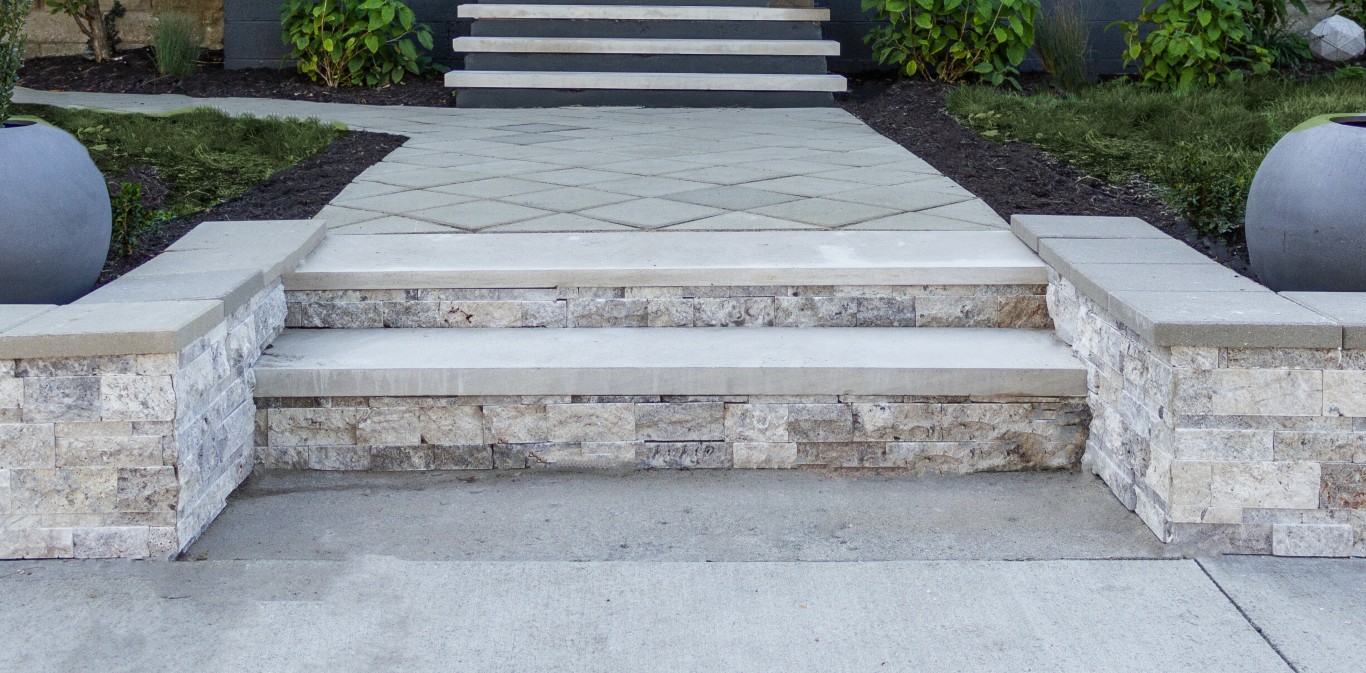
Your steps might be the most important concrete on your property when it comes to safety. Everyone who visits your home uses them, often while carrying things or in a hurry. Steps that have settled, cracked, or developed uneven surfaces create serious trip hazards. We build and repair concrete steps throughout Champaign and Urbana that eliminate these dangers and give you peace of mind.
Wood steps rot and require constant maintenance. Metal steps rust and get slippery in winter. Concrete steps properly installed last for decades with minimal care. They stand up to snow shoveling, ice melt chemicals, and constant foot traffic without breaking down. A good set of concrete steps is something you install once and then forget about because they just work year after year.
We handle all types of step projects from simple three-step entrances to longer staircases for split-level homes. Front entry steps, back door access, basement walk-outs, and steps connecting different levels of your yard all need the same careful attention to safety standards and proper construction. We make sure every step we build meets code requirements for rise and run dimensions, has proper drainage, and includes safe tread surfaces.
Building Steps the Right Way
Concrete steps require more engineering than most people realize. Each step must have the correct dimensions for comfortable and safe use. Building codes specify maximum riser height and minimum tread depth to prevent trips and falls. All steps in a flight must have identical dimensions so your foot lands exactly where you expect it every time. Even small variations can cause accidents.
Essential Step Construction Elements
- Proper footing below frost line to prevent heaving and settling
- Reinforcement with rebar to prevent cracking and increase strength
- Correct slope on treads for water drainage without creating slip hazards
- Consistent dimensions throughout the entire flight of stairs
We build forms that create the exact step dimensions needed. After pouring, we carefully finish each tread to create the right texture. Too smooth and steps become slippery when wet. Too rough and they are uncomfortable to walk on. We find the balance that provides safety without sacrificing comfort. For steps near your patio or driveway, we can match existing finishes to create a cohesive look.
Repair and Replacement Options
Existing concrete steps develop problems over time. Edges chip and crumble from snow shoveling and foot traffic. Settling creates uneven steps or separates stairs from the structure they connect to. Cracks allow water infiltration that makes problems worse through freeze and thaw damage. We assess your current steps and recommend whether repair or replacement makes more sense.
When to Repair Versus Replace
Minor edge damage can often be repaired with concrete patching compounds that restore the appearance and eliminate sharp edges. Small cracks get filled to prevent water damage. We can sometimes lift settled steps back to the proper position using leveling techniques. These repairs work well when the underlying structure remains sound and dimensions meet safety standards.
Complete replacement becomes necessary when steps have major structural problems, dimensions that do not meet code, or damage throughout multiple steps. Replacing steps gives you the opportunity to improve the design, add width for easier access, or incorporate features like integrated handrail posts. Many homeowners in our area choose replacement when they decide to update their home exterior because new steps make a significant visual impact.
We can also add decorative elements during replacement. Colored concrete, exposed aggregate finishes, or borders can make your steps an attractive feature rather than just a functional necessity. The choice depends on your budget and how the steps fit with your overall property design. We will show you options and help you decide what works best for your situation.